Table Of Content
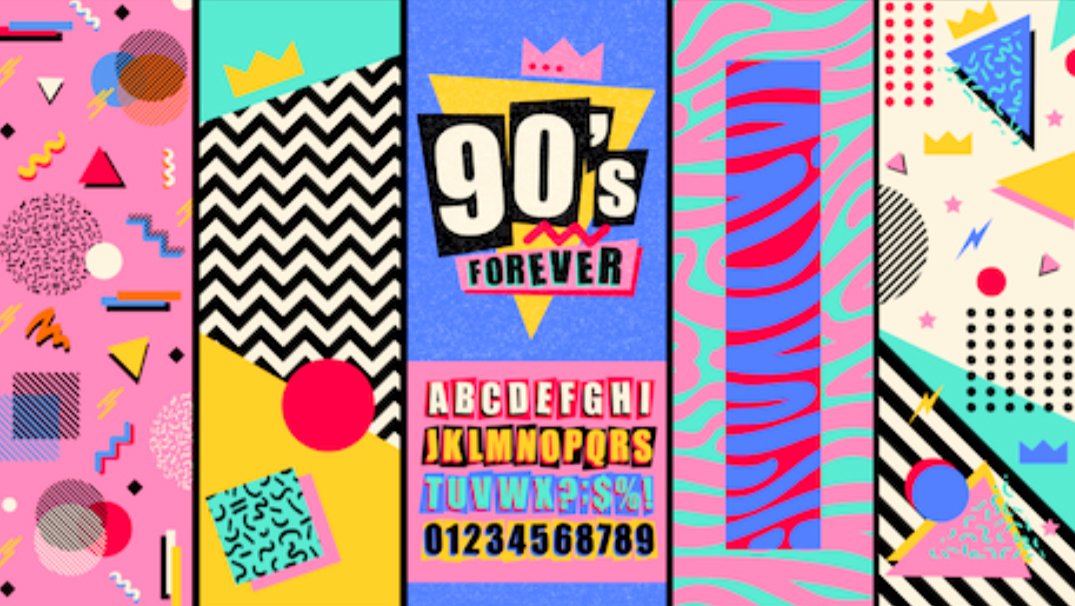
It became popular in the 90s, and since that is over 20 years ago (say what?!), we can safely add it to the list of vintage designs. Mainly linked to Andy Warhol and Roy Liechtenstein, Pop Art is the vintage style relating popular culture to art. Mass production, slang, and television are all examples of inspiration used in this style.

Techniques for Adding a Contemporary Twist to Retro Illustrations
Retrofuturism is a related trend, not particular to Victorian references, which creates interpretations of the future from the perspective of an earlier era. Many contemporary brands have realised the power of tapping into nostalgic marketing for their products. Giving a product, such as an item of clothing or advert, a stylistic reference to the target market’s nostalgic decade is a surefire way to increase sales. Feature image created using items from a_slowik, themefire and creativemedialab on Envato Elements. To create your very own 80s Tropical design, check out this Customisable 1980s Gym Logo and 1980s Beach Party Logo Design by wingsart, or this Summer 80s Party flyer by Guuver.
The Minute Maid rebrand reflects growing taste for friendly, flat and retro - It's Nice That
The Minute Maid rebrand reflects growing taste for friendly, flat and retro.
Posted: Tue, 02 May 2023 07:00:00 GMT [source]
Retrofunk Script: Retro 70s Font (OTF, TTF)
Retro design refers to a style that imitates or derives elements from design styles from the past. Today, we’re going to take a look at what modern retro is all about and how you can make this most of it in your design projects. While we are seeing a lot of it in website design right now, modern retro adds a fun touch to print projects from business cards to poster design to party invitations. It’s not uncommon for modern graphic designers to combine retro design with the effect of a newspaper or a comics magazine. The easiest way to get noticed is to stop playing by the rules and be driven by pulsing passion. Shake up the conventional ideas about how things should look by adding asymmetrical elements to UI, go for a brave color palette, and inventive combinations.
Halftones in Half the Time
Art deco styles date to the 1920s and are one of the most identifiable vintage and retro styles. Modern art deco uses plenty of geo shapes, line icons and elements, chevron patterns, and mosaics. Vintage graphic design is a nifty way to create an old-school feel for projects. Today we’re exploring the vintage graphic design trend, and how to use it in your design projects. 50s design elements include jaunty typography and mid-century illustration, creating a sense of movement and positivity and making 1950s graphic design feel youthful and fun.
Whether it’s incorporating pixel art reminiscent of video game consoles or using retro color palettes that hark back to the ’80s, modern design is a playground where the past meets the present. These nods to pop culture forge connections with audiences, invoking shared memories and experiences. Especially the intricate geometric shapes played a prominent influence in design. To this day you see many logo designers taking their inspiration from the Art deco movement. Apart from graphic designers, many fashion designers and architects use the art deco movement as a source of inspiration.
Retro type and gingham in abundance: Elizabeth Goodspeed's branding designs will transport you to the 70s - It's Nice That
Retro type and gingham in abundance: Elizabeth Goodspeed's branding designs will transport you to the 70s.
Posted: Fri, 11 Mar 2022 08:00:00 GMT [source]
In this era of ceaseless information flow, pop culture serves as both a catalyst and a canvas for retro design, creating a symphony of visuals that resonate with generations old and new. Colors are a powerful tool in the hands of designers, allowing them to create visual stories that transcend time. The iconic palettes of the past continue to inspire and influence modern design, reminding us that color is not just a hue but a reflection of the collective spirit of an era. Incorporating retro colors requires finesse and an understanding of how to balance nostalgia with current design trends. Mixing retro shades with modern neutrals can create a harmonious visual impact. The key is to capture the essence of an era while ensuring that the design remains relevant and appealing to today’s audiences.
Mid-Century Modernism and Its Sleek Sophistication
Thankfully, the well-established traditional look of serif fonts was transformed into the all-mighty one, which allows being weird, futuristic, romantic or blunt. Doodles are brought back by designers to help create a bond between the brand/company/designer and the consumer, who’s keen to get attached to human, personal things. They are incredibly flexible, which is an important feature to help creators adapt doodles to various projects.
While always destined to make a comeback, we first saw the return of 80s pop culture in recent years with the creation of Netflix’s Stranger Things in 2017 – a show clearly inspired by 80’s pop culture. Now, there’s been a big increase in 80’s content as the style continues to infiltrate the zeitgeist. A decade defined by bright colors, fluid patterns and LSD-inspired psychedelia, the 1960s were a massive turning point for graphic design.
The evolution of retro design is a captivating journey that connects us with the artistic spirits of the past while inspiring fresh creativity for the future. As we traverse through the elegance of Art Nouveau, the opulence of Art Deco, and the sleekness of mid-century modernism, we come to appreciate the rich tapestry of influences that shape our design landscape. Join us as we dive deeper into the chapters of this design evolution, exploring how each era has left its mark on the canvas of creativity. London-based creative illustrator and graphic artist Neil Stevens, aka Crayonfire, specializes in textured, vintage-inspired images.
By the 1950s, designers in Switzerland standardized design elements that had emerged in Russia, Germany and the Netherlands in the previous decades into the cohesive Swiss style. Swiss style, also known as International Typographic Style, is a graphic design style developed in Europe during the first half of the 20th century. Art Deco was popular in the 1920s and 1930s and took architecture and design in a deliberately modern, man-made direction.
The marriage of storytelling and aesthetics is where modern retro illustrations truly shine. Artists can use the visual language of the past to evoke specific moods and emotions, enhancing the impact of their narratives. Today’s designers draw from the rich well of pop culture references to infuse their work with a sense of familiarity and nostalgia.
Vintage graphic design creates a distinct user experience, evoking feelings of nostalgia, age, and even distinct (named) style from a certain design era. At its height during the nineties, the grunge style is cool, angst-ridden, and laid-back. Graffiti, sombre colors, and dirty textures have come to characterize the style for contemporary designers. This poster for the movie Filth shows how punk has evolved to suit contemporary designs. The decade that marked huge cultural and social revolutions also gave birth to some fascinating retro style design. For some, the 70s is the epitome of 'retro' style design, while for others it can be demonised as the decade that taste forgot.
Keeping all of the above elements under consideration, it’s also important to remember that retro design itself is retro design. In other words, people have been doing and re-doing the same thing for decades. Mid-century modern graphic design boils down complex elements into a simple visual form. The style often includes geometric shapes, right color, and simple typography. Only recently have designers started looking to the decade for some fantastic retro graphic design inspiration.
In contrast to the ’60s psychedelics, the 70s showcased simple and flat shapes, often arranged into recurring patterns and used in background art deco or home decor. The sense of movement in art forms was embraced by twisting a mirrored tube and bringing out a new perspective for the viewer’s focus on the art. The artists ditched muted earthly palettes and started integrating bright colors as a sign of rebellion. The use of color was a sign to break free from the old traditions and create a whole new style.


No comments:
Post a Comment